


The Complete Guide to Iveco Eurocargo, Stralis & Trakker Lighting
2nd Nov 2026
Everything You Need to Know About Replacement Lamps, Headlights and LED Upgrades
When it comes to commercial vehicle safety, reliability and compliance, few components work harder than the lighting system. Whether you're driving an Iveco Eurocargo through urban delivery routes, operating a Stralis on long-haul motorway journeys, or putting a Trakker to work in demanding construction environments, good lighting isn't simply a convenience, it's a critical safety feature.
Yet truck lighting systems are often overlooked until something stops working. A cracked rear lamp, a dim headlight or a failed marker light may seem like minor issues, but they can lead to MOT failures, roadside penalties, safety risks and unwanted downtime.
This guide explains everything truck owners, fleet operators and workshop managers need to know about maintaining, upgrading and replacing lighting on the Iveco Eurocargo, Stralis and Trakker ranges.
Why Commercial Vehicle Lighting Matters
Truck lighting performs two vital jobs.
Firstly, it allows drivers to see the road clearly in challenging conditions.
Secondly, and perhaps more importantly, it allows other road users to see the truck.
This includes:
- Headlights
- Rear lamps
- Marker lights
- Indicators
- Brake lights
- Number plate lamps
- Daytime running lights (DRLs)
- Sunvisor lighting
Even a single failed lamp can compromise safety.
For larger commercial vehicles, visibility is particularly important because they operate in:
- Busy urban environments
- Motorways
- Industrial sites
- Rural roads
- Construction areas
- Poor weather conditions
Reliable lighting helps reduce accidents and ensures compliance with vehicle safety regulations.
Understanding the Different Lighting Systems
Modern Iveco trucks use a combination of lighting technologies designed to maximise visibility and durability.
Headlights
The headlight assembly is one of the most important components on any truck.
Modern Eurocargo models feature advanced headlight systems that often incorporate:
- LED daytime running lights
- Electric beam adjustment
- Integrated indicators
- Enhanced reflector technology
A quality headlight improves:
- Night-time visibility
- Driver confidence
- Reaction times
- Overall road safety
If a headlight becomes damaged, hazy or waterlogged, performance can drop significantly.
Rear Lamps
Rear lights are often underestimated.
Every vehicle behind your truck relies on these units to understand your intentions.
Rear lamps communicate:
- Braking
- Turning
- Vehicle position
- Vehicle width
Damaged rear lamp units can create confusion for other road users and increase the risk of collisions.
Regular inspections are essential.
Marker Lights and Position Lights
Marker lamps help define the size of the vehicle.
This is especially important for:
- Long vehicles
- Wide-bodied vehicles
- Night-time operations
- Adverse weather conditions
Although small, marker lights play a significant role in visibility and compliance.
Sunvisor Lighting
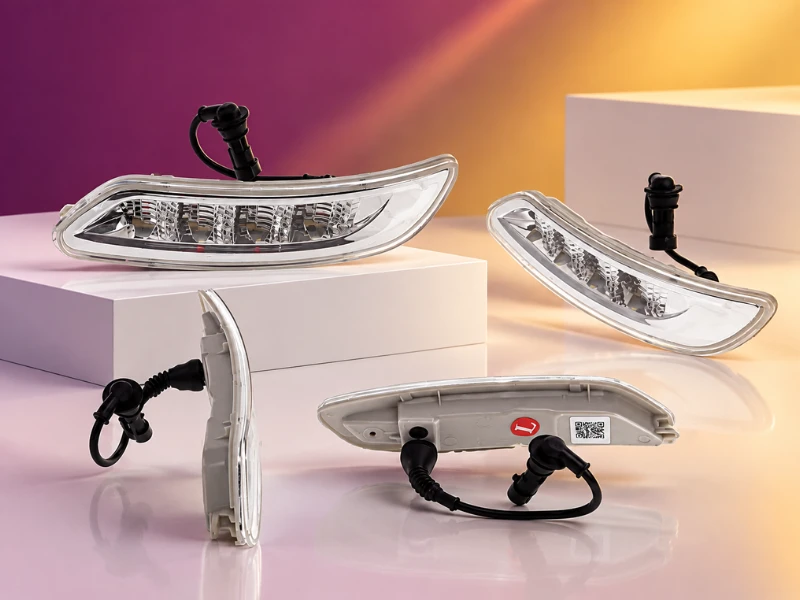
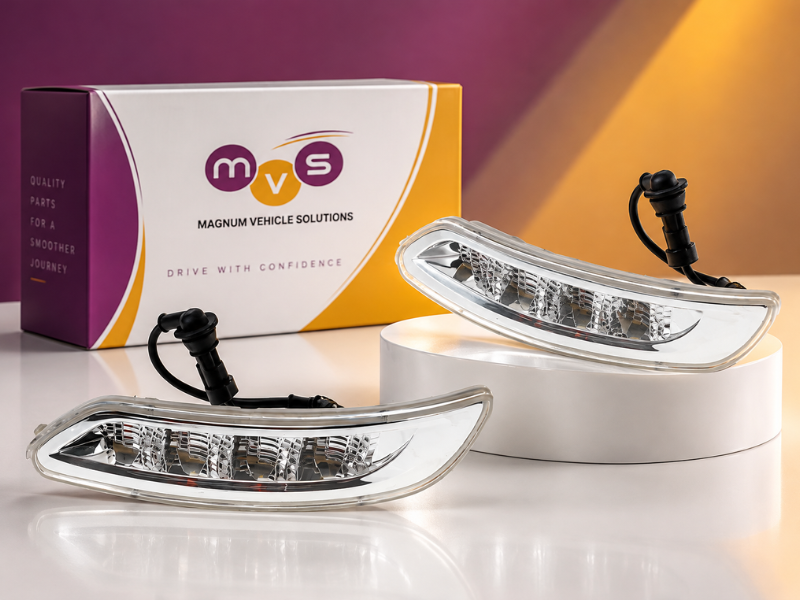
On modern Stralis models, sunvisor lighting contributes both to visibility and vehicle appearance.
LED sunvisor lights are particularly popular because they offer:
- Bright illumination
- Long service life
- Lower energy consumption
- Reduced maintenance requirements
For owner-drivers, they also help maintain a professional vehicle appearance.
Common Lighting Problems on Commercial Vehicles
Lighting systems work in some of the harshest conditions imaginable.
Daily exposure to:
- Road salt
- Rain
- Vibration
- Dust
- UV sunlight
- Temperature extremes
means components naturally wear over time.
Common problems include:
Cracked Lamp Lenses
A small crack can allow water to enter the lamp housing, leading to:
- Condensation
- Corrosion
- Electrical faults
- LED failure
Water Ingress
Moisture inside headlamps and rear lamps is one of the most common issues encountered by commercial vehicle operators.
Over time this can damage:
- Reflectors
- Wiring
- Connectors
- Circuit boards
LED Failure
Although LED lighting lasts much longer than traditional bulbs, LED modules are not immune to failure.
Potential causes include:
- Physical damage
- Electrical surges
- Water ingress
- Age-related degradation
Connector Corrosion
Electrical connectors can corrode in commercial environments.
Symptoms include:
- Flickering lights
- Intermittent operation
- Complete lamp failure
Early detection can prevent larger electrical issues.
The Benefits of Genuine Replacement Lighting
When a lamp requires replacement, operators usually have two choices:
- Genuine OEM lighting
- Aftermarket alternatives
While aftermarket units may initially appear cheaper, genuine replacement assemblies offer several important advantages.
Perfect Fitment
OEM lighting systems are manufactured to the exact specifications of the vehicle.
This means:
- Correct mounting points
- Correct wiring connections
- Proper beam patterns
- Accurate sealing
Improved Reliability
Commercial vehicles demand lighting systems that can withstand heavy daily use.
Genuine units are designed specifically for these operating conditions.
Consistent Appearance
Matching lighting assemblies help maintain a professional appearance across the vehicle.
This is particularly important for fleet operators seeking brand consistency.
Why More Operators Are Choosing LED Upgrades
LED technology has transformed commercial vehicle lighting.
Compared with older lighting systems, LEDs offer:
Longer Lifespan
LED units can last considerably longer than traditional bulbs, reducing replacement frequency.
Lower Energy Consumption
Efficient lighting places less demand on the vehicle's electrical system.
Improved Visibility
LEDs typically deliver:
- Brighter illumination
- Faster response times
- Improved light distribution
Reduced Maintenance Costs
Longer service intervals help reduce workshop visits and downtime.
For vehicles operating continuously, this can provide significant long-term savings.
The Hidden Cost of Ignoring Lighting Defects
Many operators postpone replacing damaged lighting because the vehicle still appears functional.
However, delaying repairs can lead to:
- MOT failures
- Roadside penalties
- Vehicle prohibitions
- Reduced safety
- Increased accident risk
- Additional repair costs
For fleet operators, downtime is often the biggest expense.
A component costing a few pounds to replace may result in hundreds of pounds in lost productivity if ignored.
Simple Lighting Checks Every Operator Should Perform
Regular inspections take only a few minutes and can prevent major issues.
Check:
Headlights
Look for:
- Cracks
- Condensation
- Beam alignment issues
- Hazy lenses
Rear Lamps
Inspect for:
- Broken lenses
- Failed LEDs
- Water ingress
Indicators
Confirm:
- Correct flash rate
- Consistent brightness
Marker Lamps
Ensure:
- All units illuminate correctly
- No physical damage is present
Number Plate Lamps
Check:
- Illumination is clear
- Lenses are clean and undamaged
Routine inspections dramatically reduce unexpected failures.
Lighting and Driver Confidence
Professional drivers spend many hours on the road.
Good visibility can make a significant difference to:
- Comfort
- Concentration
- Fatigue levels
- Safety
A bright, reliable lighting system helps create a more comfortable driving experience while reducing stress during poor weather or night-time journeys.
For long-distance operators, this benefit alone can justify maintaining lighting systems proactively.
The Future of Commercial Vehicle Lighting
Commercial vehicle lighting continues to evolve rapidly.
Recent developments include:
- Adaptive lighting systems
- Advanced LED technology
- Improved energy efficiency
- Integrated daytime running lights
- Enhanced visibility features
As these technologies become more widespread, operators who invest in high-quality lighting systems will continue to benefit from improved safety, reliability and reduced maintenance costs.
Final Thoughts
Lighting is one of the hardest-working systems on any Iveco Eurocargo, Stralis or Trakker. From powerful headlights and rear lamps to marker lights and modern LED sunvisor systems, every component contributes to the safety, visibility and professionalism of the vehicle.
Whether you're replacing a damaged lamp assembly, upgrading to modern LED technology or simply carrying out routine maintenance, investing in quality lighting components is one of the smartest ways to protect your truck and reduce downtime.
Good lighting doesn't just help you see the road ahead. It helps keep your vehicle compliant, your drivers safer and your business moving forward.