


Motorhome Maintenance 101: The Simple Checks That Prevent Expensive Repairs
7th Oct 2026
A Practical Guide That Builds Confidence, Saves Money and Keeps You on the Road
Owning a motorhome is all about freedom. Whether you're touring the Scottish Highlands, exploring the coastlines of Spain, or enjoying a weekend break closer to home, the last thing you want is a mechanical problem cutting your adventure short.
The good news? Many of the most expensive motorhome repairs can be avoided with a handful of simple checks performed regularly throughout the year.
You don't need to be a qualified Mechanic to spot potential issues before they become serious. By spending just a few minutes inspecting key motorhome components, you can improve safety, increase reliability and potentially save hundreds or even thousands of pounds in repair costs.
Here's a practical guide to the maintenance checks every motorhome owner should be carrying out.
1. Check Your Mirrors Regularly
Motorhome mirrors work harder than most people realise.
Unlike standard cars, motorhomes are wider, longer and often have larger blind spots. Your mirrors are therefore one of the most important safety components on the vehicle.
Inspect your mirrors for:
- Cracked glass
- Loose mountings
- Vibration while driving
- Faulty electric adjustment
- Damaged mirror housings
- Heated mirror malfunction
Many owners ignore minor mirror damage until visibility becomes compromised.
A small crack can quickly become a complete mirror failure if left unchecked.
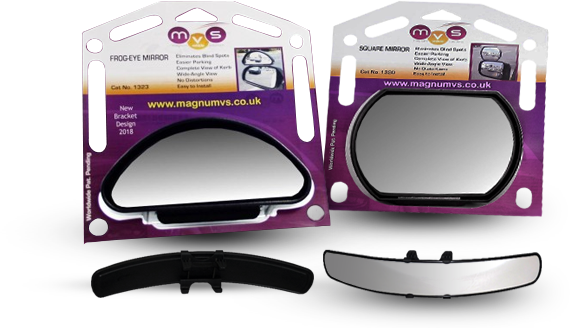
Long-arm, medium-arm and short-arm replacement mirrors are widely available for leading motorhome brands, making preventative replacement far cheaper than waiting for a complete failure.
2. Test All Exterior Lighting
One of the easiest maintenance checks is also one of the most important.
Walk around your motorhome and test:
- Headlights
- Side lights
- Brake lights
- Indicators
- Reverse lights
- Rear fog lamps
- Side marker lamps
- Number plate lights
Faulty lighting doesn't just increase the likelihood of an MOT failure; it creates genuine safety risks.
Modern LED lighting offers several advantages:
- Lower power consumption
- Brighter illumination
- Longer lifespan
- Improved visibility
Many motorhome owners are now upgrading older lighting systems to modern LED alternatives for improved safety and reliability.
3. Examine Tyres Carefully
Tyres are often overlooked because they may appear to have plenty of tread remaining.
However, motorhome tyres can deteriorate with age even when mileage is low.
Look for:
- Sidewall cracking
- Uneven wear
- Bulges
- Embedded objects
- Age-related deterioration
Remember to check:
- Spare wheels
- Inner sidewalls
- Tyre pressures
Incorrect tyre pressures can negatively affect:
- Fuel economy
- Handling
- Braking performance
- Tyre lifespan
4. Inspect the Battery System
Modern motorhomes rely heavily on electrical systems.
Most vehicles contain:
- Starter battery
- Leisure battery
- Solar charging systems
- Battery management units
Regularly inspect:
- Battery terminals
- Cable connections
- Signs of corrosion
- Voltage readings
- Leisure battery performance
Weak batteries often show warning signs long before complete failure.
5. Check Seals and Water Ingress Points
Water ingress remains one of the most expensive motorhome problems to rectify.
Inspect all:
- Window seals
- Rooflights
- Access hatches
- Door seals
- External service lockers
Watch for:
- Damp patches
- Soft wall panels
- Discolouration
- Mould
- Musty smells
Small leaks often become major structural issues when ignored.
6. Test Your Water System
A functioning water system is essential for comfortable touring.
Regularly check:
- Water pumps
- Taps
- Water heaters
- Pipework
- Tank connections
- Waste outlets
Look for:
- Leaks
- Reduced water pressure
- Pump cycling issues
- Strange noises
Preventative maintenance can significantly extend the lifespan of water pumps and plumbing systems.
7. Don't Ignore Small Mirror Components
Many owners focus on complete mirrors while forgetting smaller replacement components.
Check:
- Mirror glass
- Indicator units
- Mounting brackets
- Mirror arms
- Adjustment switches
In many cases, replacing a small component is far more cost-effective than replacing an entire motorhome mirror assembly.
Keeping these items in good condition improves both safety and appearance.
8. Keep On Top of Service Parts
Servicing is not just about engine oil.
Critical service items include:
- Air filters
- Oil filters
- Fuel filters
- Belts
- Tensioners
- Glow plugs
- Water pumps
Waiting until these components fail often results in:
- Recovery costs
- Workshop downtime
- Missed holidays
- Expensive repairs
Routine servicing remains one of the best investments any motorhome owner can make.
9. Check Body Panels and Exterior Trim
Motorhomes experience constant vibration during travel.
Take time to inspect:
- External trims
- Bumpers
- Grilles
- Marker light surrounds
- Access panels
Look for:
- Loose fasteners
- Cracks
- Corrosion
- Missing clips
Small external issues often become larger repairs if ignored.
10. Prepare for Seasonal Changes
Different seasons place different demands on your vehicle.
Spring and Summer
Focus on:
- Air conditioning
- Cooling systems
- Lighting
- Water systems
Autumn and Winter
Focus on:
- Battery condition
- Heater performance
- Water system winterisation
- Mirror heating functions
- Exterior lighting
Planning maintenance around the seasons reduces unexpected problems.
Why Preventative Maintenance Always Costs Less
One of the biggest mistakes motorhome owners make is waiting for something to fail.
The cost difference between:
- A replacement mirror glass
- A complete mirror assembly
or
- A simple LED light
- An MOT failure and repair
can be significant.
The same applies to service components, belts, filters and electrical parts.
Preventative maintenance almost always costs less than emergency repair work.
The Value of Quality Parts
When replacing components, quality matters.
Whether it's:
- Motorhome mirrors
- LED lighting
- Replacement lenses
- Marker lights
- Service parts
- Electrical accessories
Choosing quality replacements helps improve:
- Reliability
- Longevity
- Appearance
- Safety
It's an investment that typically pays for itself over time.
Final Thoughts
Motorhome ownership should be about enjoying the journey, not dealing with avoidable breakdowns.
By performing a few simple checks each month, you can identify problems early, reduce repair costs and travel with confidence.
Pay particular attention to:
- Mirrors
- Lighting
- Service components
- Water systems
- Batteries
- Seals
These areas are often responsible for the most common — and most preventable — motorhome issues.
A little time spent maintaining your vehicle today could save you a considerable amount of money, stress and downtime tomorrow.
And when your next adventure begins, you'll be glad you took the time to prepare properly.