


Is Your Iveco Daily Losing Power Because of a Cheap Filter?
3rd Aug 2026
Why Oil Filters Matter More Than Most Drivers Realise
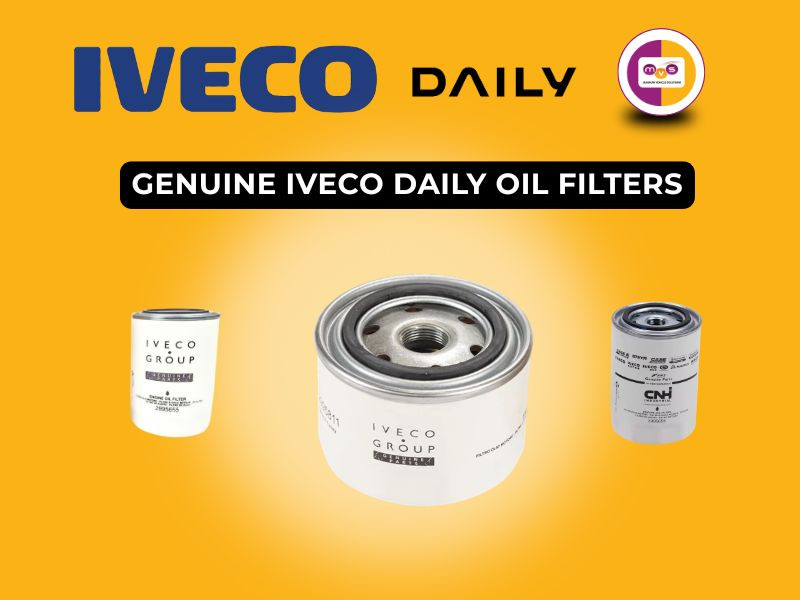
Every Iveco Daily owner knows the importance of regular servicing — but few realise just how critical the oil filter is to engine performance, fuel efficiency and long‑term reliability. While engine oil gets most of the attention, the filter quietly performs one of the most important jobs inside the vehicle: keeping that oil clean, pressurised and flowing correctly.
If your Iveco Daily has started to feel sluggish, noisy or underpowered, the culprit may not be the turbo, injectors or fuel system. In many cases, the issue is far simpler — and far cheaper to fix. A low‑quality oil filter can restrict flow, reduce lubrication, increase friction and ultimately rob your engine of power.
This guide explains exactly how oil filters work, why cheap filters cause performance loss, and why Iveco Daily engines perform best with genuine OEM oil filters designed specifically for the 2.3L and 3.0L engines.
What Does an Oil Filter Actually Do?
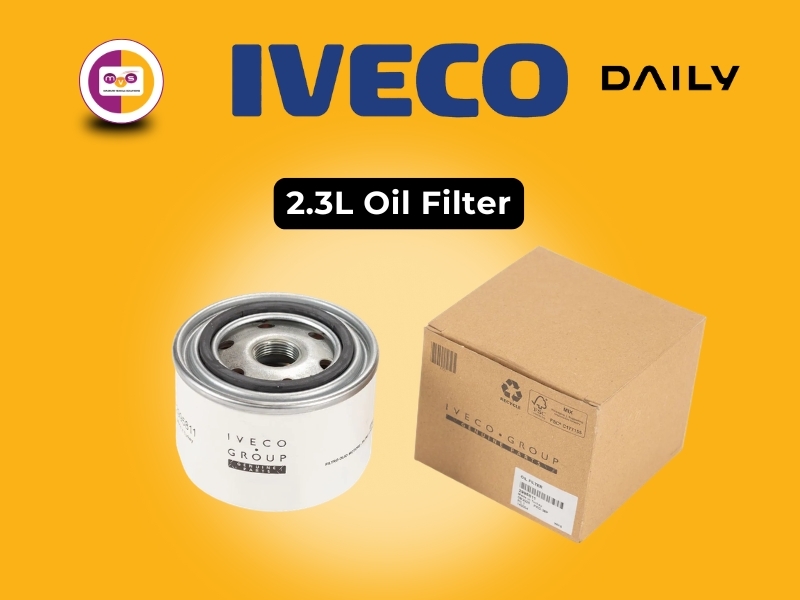
Oil filters have three essential jobs:
- Remove contaminants such as soot, carbon, metal particles and sludge
- Maintain correct oil pressure throughout the lubrication system
- Ensure consistent oil flow to bearings, pistons, camshafts and the turbocharger
Inside every filter is a precisely engineered filtration medium — usually a multi‑layer synthetic or cellulose blend — designed to trap particles while allowing oil to flow freely.
A good filter must balance:
- Pressure stability (preventing drops that damage the engine)
- Filtration efficiency (how much debris it captures)
- Flow rate (how easily oil passes through)
Cheap filters often fail in one or more of these areas.
How Oil Filters Work Inside the Iveco Daily Engine
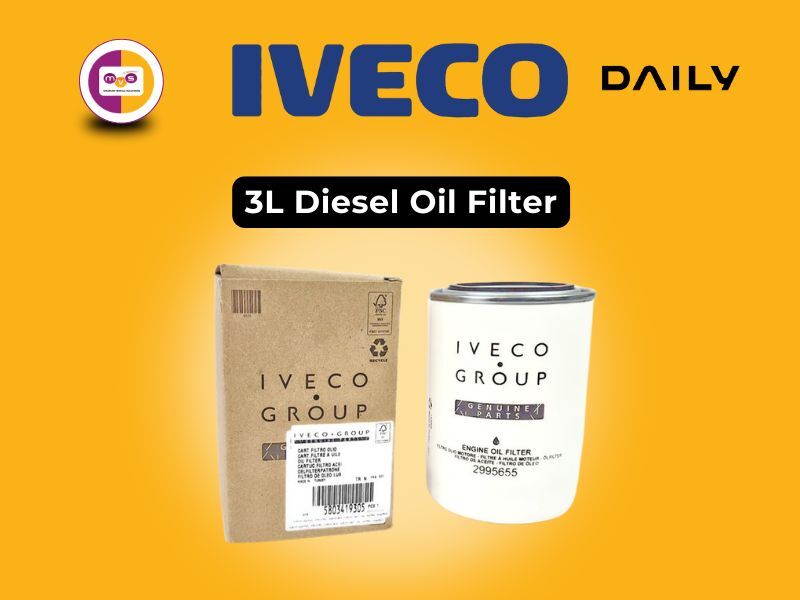
The Iveco Daily’s 2.3L and 3.0L engines rely on a high‑pressure lubrication system. Oil is pumped through the filter before reaching:
- Turbocharger bearings
- Crankshaft and connecting rod bearings
- Camshaft lobes
- Hydraulic lifters
- Piston cooling jets
If the filter becomes clogged or restricts flow, the engine loses lubrication — and performance drops immediately.
Symptoms include:
- Reduced acceleration
- Louder engine noise
- Higher fuel consumption
- Sluggish turbo response
- Increased engine temperature
These symptoms often appear gradually, making them easy to overlook.
Why Cheap Filters Cause Power Loss
Low‑quality filters are usually built with:
- Thin paper filtration media
- Weak internal structure
- Poor bypass valve calibration
- Inconsistent pressure regulation
These flaws lead to several issues:
- Restricted Oil Flow
Cheap filters clog faster, reducing oil flow to critical components. The turbocharger is especially sensitive — reduced lubrication causes slower spool‑up and noticeable power loss.
- Incorrect Bypass Valve Operation
If the bypass valve opens too early, unfiltered oil circulates through the engine. If it opens too late, pressure drops. Both situations reduce performance and increase wear.
- Pressure Instability
Poorly built filters cannot maintain stable oil pressure, causing rough running and reduced torque.
- Contaminant Build‑Up
Cheap filters allow debris to circulate, increasing friction and reducing efficiency.
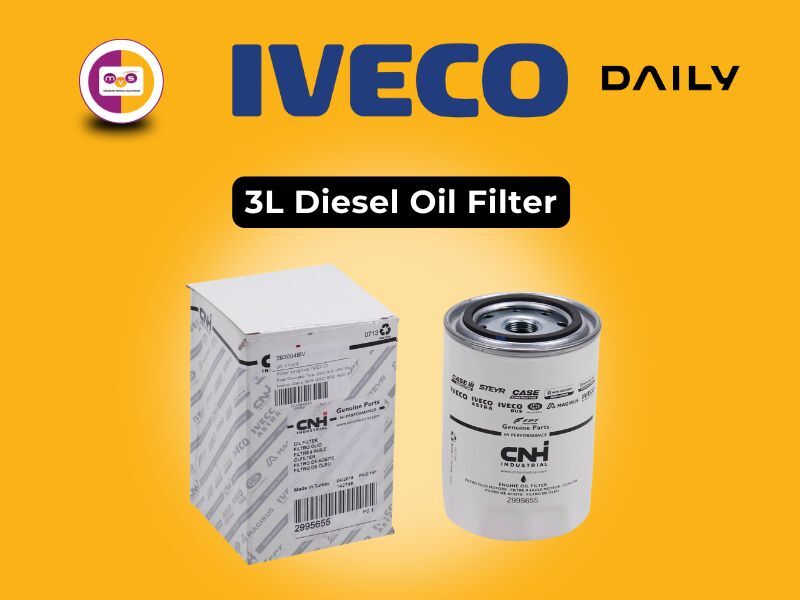
Why Genuine Iveco Filters Make a Difference
OEM filters are engineered specifically for the Daily’s lubrication system. They offer:
- Correct filtration grade for Euro 4, Euro 5 and Euro 6 engines
- Precise bypass valve calibration
- High‑strength internal structure
- Consistent oil pressure regulation
- Longer service life
These filters are designed to work with Iveco’s recommended oils, including Petronas Urania Tek Plus 0W‑30 Euro 6.
The Importance of the Oil Filter Washer
Many Iveco Daily owners overlook the oil filter washer, but it plays a crucial role in preventing:
- Oil leaks
- Pressure drops
- Contamination
- Premature wear
A worn washer can cause micro‑leaks that reduce oil pressure — leading to the same power loss symptoms as a cheap filter.
How to Tell If Your Filter Is Causing Power Loss
Common signs include:
- Slower acceleration
- Turbo lag
- Increased fuel consumption
- Engine sounding “rough” or “dry”
- Higher running temperatures
- Oil warning light flickering
- Louder idle noise
If your Daily shows any of these symptoms, the filter is one of the first components to check.
Why Iveco Daily Engines Are Sensitive to Filtration Quality
The Daily’s engines use:
- High‑pressure oil pumps
- Narrow lubrication channels
- Turbocharger bearings that require constant lubrication
- Emissions systems sensitive to contamination
This means even small drops in oil quality or pressure can cause noticeable performance changes.
Cheap filters simply cannot maintain the stability these engines require.
How Often Should You Replace Your Iveco Daily Oil Filter?
Most operators follow:
- Every 10,000–15,000 miles for standard use
- Every 7,500 miles for heavy‑duty or urban stop‑start driving
- Every service interval when using Petronas Urania Tek Plus
Replacing the filter regularly ensures:
- Maximum engine protection
- Stable oil pressure
- Consistent turbo performance
- Lower fuel consumption
Final Thoughts: Don’t Let a Cheap Filter Steal Your Power
The Iveco Daily is built to deliver strong torque, reliable performance and long‑haul durability — but only when the engine receives clean, pressurised oil. Cheap filters compromise that protection, leading to power loss, increased wear and costly repairs.
Using genuine Iveco oil filters and washers ensures:
- Correct fitment
- Proper oil flow
- Stable pressure
- Long‑term reliability
- Maximum engine performance
If your Daily feels underpowered, the solution may be as simple as replacing the filter with a proper OEM unit.