


The Complete Guide to Motorhome Mirrors: Safety, Types, Technology & Essential Components for UK and European Touring
5th Apr 2026
Why Motorhome Mirrors Matter More Than Ever
Motorhome mirrors are not just accessories — they are legally required safety systems that determine how confidently and safely you can drive a large leisure vehicle.
With motorhomes often measuring 2.3–2.5 metres wide and stretching up to 7.5 metres long, visibility becomes one of the most important factors in preventing collisions.
According to UK road safety data, over 60% of low‑speed motorhome accidents involve blind‑spot misjudgement, and European insurers report that mirror‑related claims increase by 28% during peak touring months.
Whether navigating narrow Cornish lanes, overtaking on French motorways or reversing into a Spanish campsite, your mirrors are your primary source of real‑time spatial awareness.
This guide breaks down the major mirror types used on modern motorhomes, how they work, why they matter, and what owners should know before touring the UK or Europe.
Understanding Motorhome Mirror Regulations
Motorhomes fall under the same visibility regulations as commercial vans and light trucks.
In the UK and EU, vehicles over 2 metres wide must be fitted with extended mirrors that provide a clear view down both sides of the vehicle and at least 4 metres outwards at a distance of 20 metres behind.
These rules exist because a standard car mirror cannot provide the necessary field of view for a large leisure vehicle.
Many motorhomes are built on chassis such as Fiat Ducato, Peugeot Boxer, Ford Transit or Mercedes Sprinter, all of which use specialised mirror systems designed for wider bodies and longer blind spots.
Side Mirrors: The Primary Visibility System
Side mirrors are the most important mirrors on any motorhome. They provide the driver with a clear view of the road behind and alongside the vehicle, helping with lane changes, overtaking, roundabouts and reversing. Modern motorhome side mirrors typically include:
A main flat mirror for distance judgement, a wide‑angle convex mirror for blind‑spot coverage, a lower kerb mirror on some models for near‑side visibility. These mirrors are often mounted on long arms to extend the field of view beyond the width of the habitation body.
Because of this, they are also one of the most commonly damaged components — especially on narrow UK roads. A 2023 survey of UK motorhome owners found that 1 in 5 drivers had replaced at least one side mirror due to impact damage.
Safety Mirrors: Eliminating Blind Spots
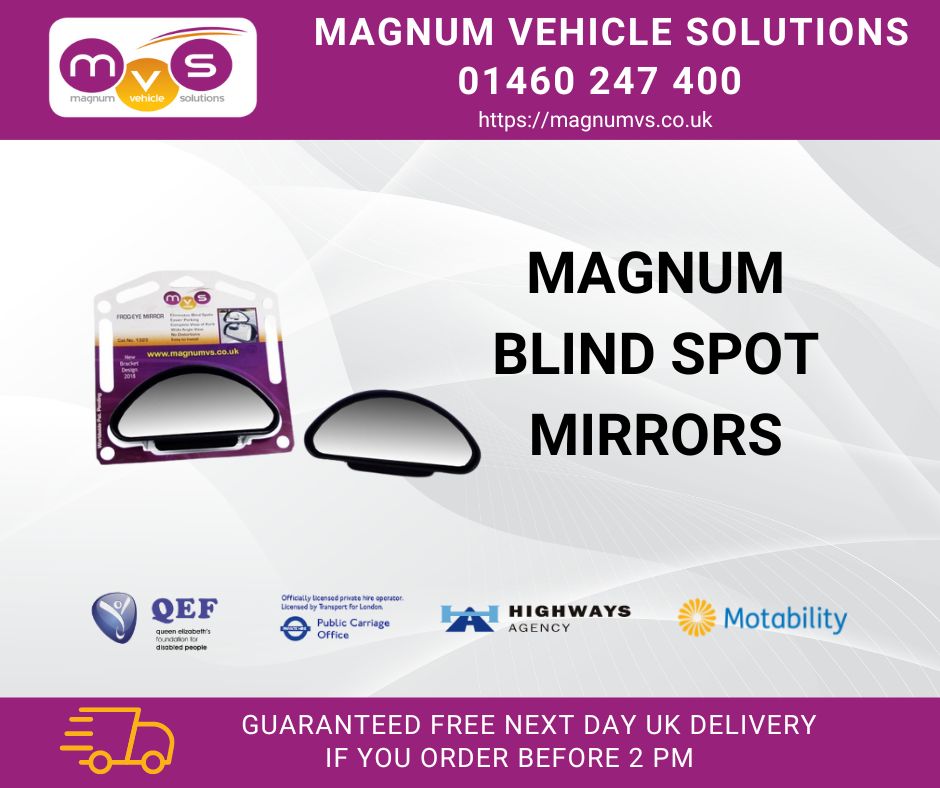
Safety mirrors are additional mirrors designed to cover areas that standard side mirrors cannot reach. These include:
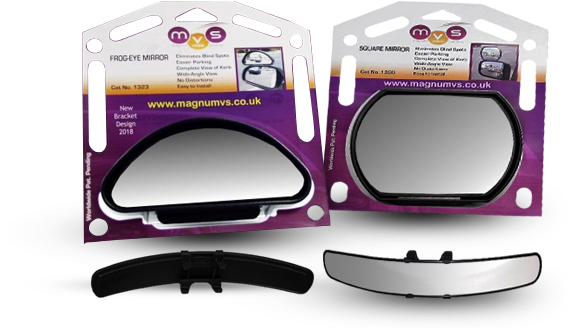
Kerb mirrors — providing visibility of the near‑side blind spot, essential in towns and cities Blind‑spot mirrors — small convex mirrors that widen the field of view.
Downward mirrors — used on some A‑class motorhomes to monitor the area near the front bumper. These mirrors are especially important when driving in Europe, where cyclists and scooters often filter close to large vehicles.
In fact, European transport authorities estimate that blind‑spot awareness reduces collision risk by up to 40% in urban environments.
Rear‑View Mirrors: Why Motorhomes Need Alternatives
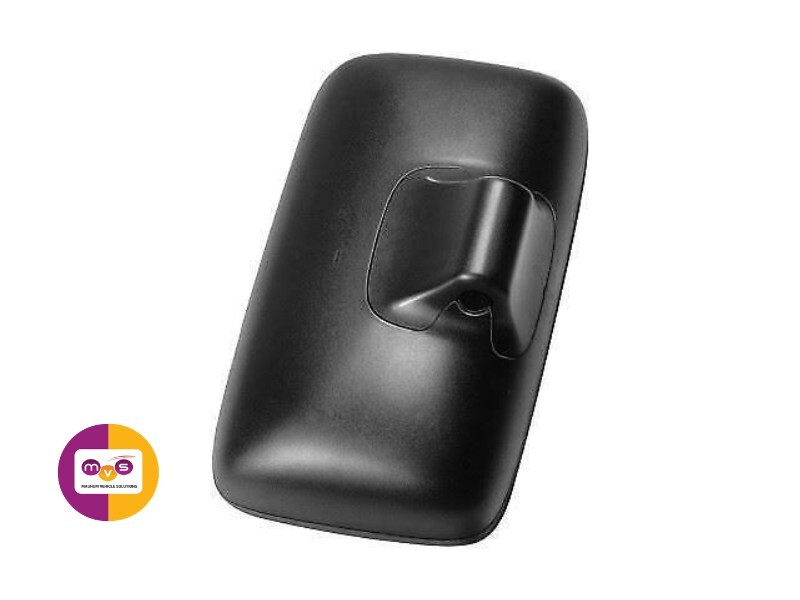
Unlike cars, most motorhomes cannot use a traditional rear‑view mirror because the habitation area blocks the rear window. This means drivers must rely entirely on side mirrors — or upgrade to additional systems such as:
Rear‑view cameras Dual‑lens reversing cameras Digital rear‑view screens
While cameras are not mirrors, they are often used to compensate for the lack of a central rear‑view mirror.
Many owners choose a hybrid setup: mirrors for real‑time awareness and cameras for reversing or motorway monitoring.
Electric Mirrors: Convenience and Precision
Electric mirrors allow drivers to adjust mirror angles from inside the cab.
This is especially useful for: Drivers of different heights, touring with a towed car or trailer, adjusting for crosswinds or road camber, and parking in tight spaces.
Electric mirrors also reduce the risk of misalignment, which is a common cause of blind‑spot accidents. Many modern motorhomes include electric folding mirrors, which help prevent damage in narrow streets or when parked in busy areas.
Heated Mirrors: Essential for UK and European Weather
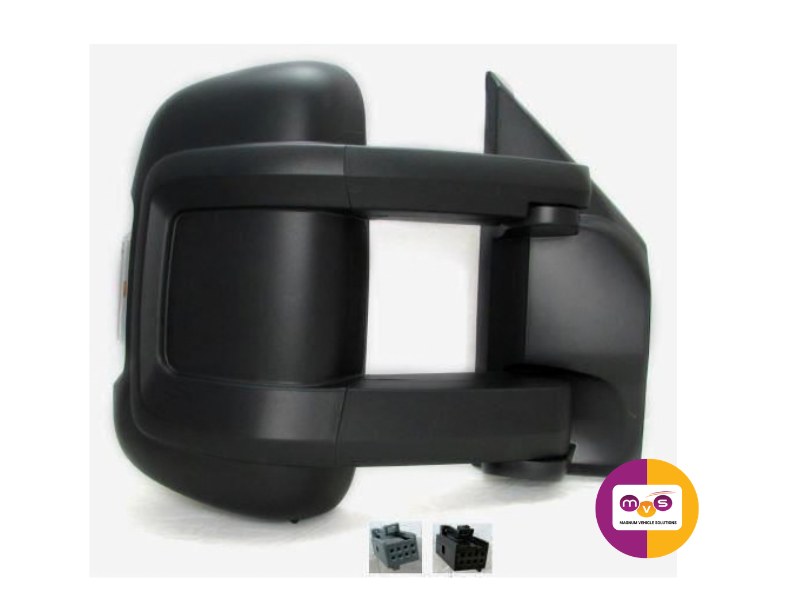
Heated mirrors are one of the most valuable upgrades for motorhome owners. They prevent condensation, frost and ice from obscuring visibility — a major issue during early‑morning departures or winter touring.
Heated mirrors can clear frost in under 60 seconds, compared to 5–10 minutes without heating.
They are especially useful when touring: The Scottish Highlands, The Alps and Pyrenees, Northern France, Belgium and Germany. Winter sun destinations with cold mornings (Spain, Portugal, Italy).
Many insurers recommend heated mirrors as a safety upgrade because they significantly reduce cold‑weather visibility risks.
Replacement Mirror Glass: A Cost‑Effective Repair
Mirror glass is one of the most commonly replaced components on a motorhome. It can crack from stone chips, impact damage or temperature stress.
Instead of replacing the entire mirror assembly, many owners choose to replace only the glass — a far more affordable option. Replacement glass is available in: Flat glass for accurate distance judgement Convex glass for wider visibility Heated glass for all‑weather performance A cracked mirror can distort reflections, making it harder to judge distance — a factor in 12% of mirror‑related accidents according to UK claims data.
Mirror Covers: Protection and Aerodynamics
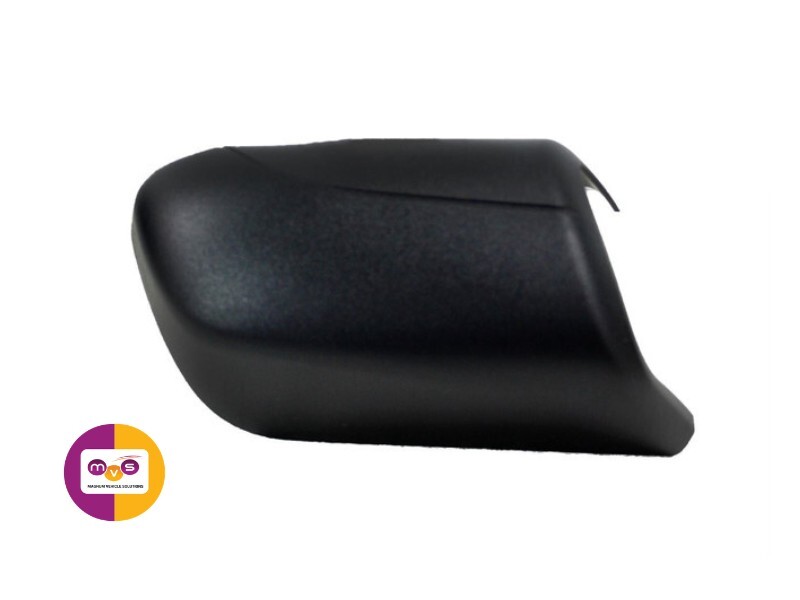
Mirror covers protect the internal components of the mirror assembly from: Stone chips, Weather exposure, Impact damage, UV fading.
They also help maintain the aerodynamic shape of the mirror housing, thereby reducing wind noise and improving fuel efficiency.
Many motorhome owners choose coloured or chrome covers to personalise their vehicle, but the primary purpose remains protection.
Choosing the Right Mirror Setup for Your Motorhome
When selecting or upgrading motorhome mirrors, consider: Vehicle width — wider bodies need extended arms Driving environment — city touring requires kerb mirrors Weather conditions — heated mirrors are essential for winter European touring — wide‑angle mirrors reduce blind‑spot risk Reversing needs — consider pairing mirrors with a camera system Budget — replacement glass is cheaper than full assemblies A well‑designed mirror system improves safety, reduces stress and enhances the overall touring experience.
Final Thoughts: Mirrors Are Your Most Important Safety Tool
Motorhome mirrors are not just reflective surfaces — they are essential safety systems that protect you, your passengers and other road users.
Whether you’re a new motorhome owner or an experienced European tourer, understanding your mirror setup is one of the most important steps toward safer, more confident driving.
With the right combination of side mirrors, safety mirrors, heated glass and protective covers, you can enjoy clearer visibility, reduced blind spots and a more relaxed touring experience across the UK and Europe.